Oklahoma City Electrical Services

Ceiling Fan Installation in Oklahoma City, OK

Ceiling fan installation in Oklahoma City - fan-rated boxes, proper bracing and switching, for porches, bedrooms and living rooms that need air movement through the long summer.

The storm ledger is documented, not folklore. On May 3, 1999, an F5 tornado crossed Bridge Creek and Moore with winds measured above 300 miles per hour; on May 20, 2013, an EF5 crossed Newcastle and Moore on a similar path. Ice storms in December 2007 and October 2020 brought down lines and trees across the metro and left neighborhoods dark for days. Oklahoma also sits in one of the more lightning-active regions of the country. Surge damage, standby power and service-mast condition are standing topics here because the record made them so.

The second force is the modern load arriving in old houses. Electric vehicle chargers, hot tubs, home offices, workshop tools and added living space all draw on panels that were sized for a fraction of today's demand - a 100-amp service that was generous in 1955 is an arithmetic problem in a house with two chargers and a spa. Much of the metro's electrical work is this reconciliation: reading what a house now asks of its system, and matching the system to it honestly.

Signs You Need Ceiling Fan Installation

A wobbling or clicking fan

Wobble is the box and mounting announcing themselves. A fan that moves at the ceiling is loosening what holds it, and the fix is at the mount, not the blades.

A fan hanging from a standard light box

Ordinary fixture boxes were never rated for a fan's weight and motion. If a fan hangs from one, the installation's foundation is wrong regardless of how well it seems to run.

A room with no ceiling box at all

Porches, additions and converted spaces often have no box where a fan belongs. Running the circuit and setting a rated box is the project; the fan is the last step.

A pull-chain-only fan where a switch should be

Fans controlled by a chain and a prayer argue for proper wall switching - fan and light controlled separately, from the door, like adults.

A porch or patio that sits unused all summer

In this climate, a covered porch without air movement is a room rented from the weather. An outdoor-rated fan on a properly protected circuit returns it for the season.

A heavy or oversized fan planned for an old ceiling

Big fans are fashionable and heavy. The ceiling structure of an older home answers that plan at the joists, and the answer should be heard before the purchase, not after.

Why Ceiling Fan Installation Is a Standing Job in Oklahoma City

Oklahoma summers make fans infrastructure. With cooling loads running half the year, air movement is what lets a house hold comfort at a kinder thermostat setting, and the metro's porches and patios - where this city actually lives from April to October - are fan territory by design.

The housing stock sets the difficulty: pre-war ceilings with shallow boxes and plaster, postwar rooms with a single center box, additions built without ceiling circuits at all. The fan itself is the same fan in every decade; the ceiling it meets is the variable.

Storm season adds the outdoor chapter: porch fans and their circuits live in the weather, on protected circuits and outdoor-rated equipment, and the ones installed as an afterthought show it by their third summer.

Ceiling Fan Installation Through the Oklahoma City Year

Winter in Oklahoma City is mild until it is not: the ice storms are the season's defining electrical events, when coated lines and falling limbs take down drops and masts across whole districts at once. Between storms, the winter load story is space heaters on bedroom circuits, holiday lighting on old exterior outlets, and heating equipment running its longest hours - each a small test of circuits that sit idle the rest of the year.

Summer is the load season. Air conditioning runs from morning to past midnight across the metro, panels carry their heaviest sustained draw of the year, and the weak points announce themselves: breakers that trip on hot afternoons, connections that warm under load, attic wiring baking in the day's heat. Lightning rides the same months. Most electrical failures are discovered in summer - the wear happened across years, and the peak-load week is simply when the margin runs out.

Fall is the assessment window and the second severe season. October brings its own storm risk, and the ice season is close enough to plan for: generator service, surge checks, and the repairs the summer exposed, all done while the weather is calm. It is also when honest electrical advice happens, because a system inspected in October is being judged on the evidence of the season just passed, not on hope.

Ceiling Fan Installation in Depth

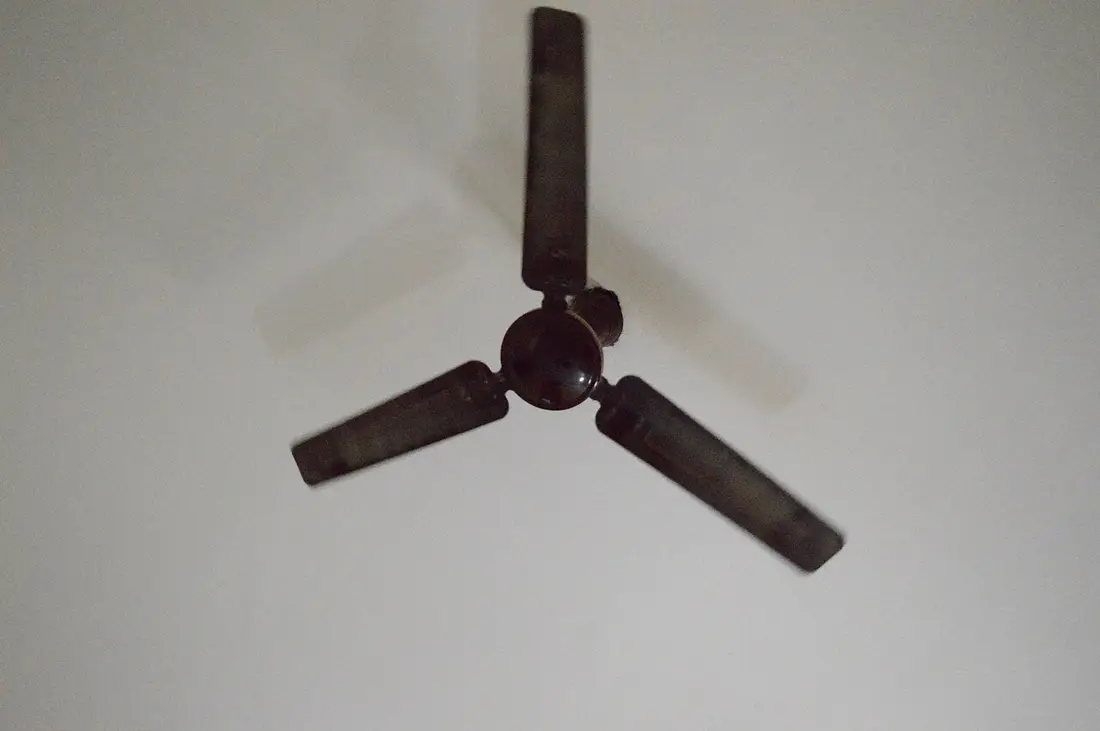
A ceiling fan is a machine that hangs over the people a household loves most, and its installation is therefore a structural job wearing a decorative costume. The fan-rated box and the brace that carries it are the whole foundation; everything below the ceiling - the blades, the light kit, the remote - is commentary on that one decision.

It is also a job where quiet is a specification. Wobble, click and hum are not personalities; they are reports from the mount, the balance and the controls, readable on the day of installation by anyone who checks at every speed. The installers who speed-test and balance before they leave are the ones whose fans are still silent when the warranty-era visits of other trades begin.

Choosing the Right Help

Choose fan help by the first thing they inspect. The installer whose eyes go to the box and the brace before the fan is the one whose work is still silent in year five; the one who starts by unboxing is selling you a ceiling repair on the installment plan. Ask what the box is rated for. In this trade, that question and its answer are the whole interview.

The Conditions Behind It

Oklahoma City sits on the southern plains where Gulf moisture runs into dryline storms, and the weather writes the electrical calendar here: a spring supercell season that tests every service mast and overhead drop in the metro, a summer of peak cooling loads, a second severe season in the fall, and winters that can wrap the whole city in ice. An electrical system in Oklahoma City is not judged on a mild day - it is judged in the storm weeks, and the pages here are organized around that.

The metro's wiring is a layered archive of its building history. The streetcar suburbs of the 1900s through the 1930s still hold knob-and-tube runs, cloth-insulated cable and fuse boxes. The postwar decades built whole districts on 100-amp panels, including panel families from that era that inspectors now flag on sight. The mid-1960s to the mid-1970s added aluminum branch wiring to thousands of homes. And the growth edges build at 200 amps with chargers and standby generators planned from the start. Which layer a house sits in decides most of its electrical story.

How Ceiling Fan Installation Works

Read the ceiling first

The existing box - or its absence - is inspected and rated honestly: fan-rated and braced, convertible, or to be replaced.

Set the foundation

A fan-rated box on a brace between joists, or a listed retrofit brace where the ceiling is closed, so the mount carries the fan's weight and motion for decades.

Wire and switch it properly

The circuit run or extended, wall switching set for fan and light separately where the plan calls for it, and remotes paired where wiring cannot go.

Balance and test

The fan run at every speed, checked for wobble, noise and switch logic - a fan that is not silent at install will not get quieter.

Doing It Yourself vs a Professional

The DIY Route

  • Hanging a fan from a standard fixture box because it fits the hole - the box's rating, not its diameter, is the requirement
  • Skipping the brace in a closed ceiling and trusting the box screws to plaster or drywall alone
  • Wiring a fan's light and motor to a dimmer never made for motor loads, then blaming the fan for the hum
VS

The Professional Route

  • Rates the box and brace before touching the fan - the foundation is the installation
  • Matches switching to how the room is used: fan and light independent, reachable, labeled
  • Balances and speed-tests the finished fan, because quiet is a spec, not a hope

Keep It From Coming Back

A fan's whole maintenance doctrine fits in one line: respect the mount, and read noise as news. The habits below are that doctrine, unpacked.

  • Never let a fan's wobble ride: it is the mount loosening, and it is a five-minute read today or a fallen fan later.
  • Keep the fan's box rating in the house file when any fan is installed - the next fan inherits it.
  • Clean blades and check outdoor fans before summer; dust load and weather show up as noise first.
  • If a fan dims or flickers its light kit on a dimmer, have the pairing checked rather than living with it.
  • Plan porch fans on protected exterior circuits from the start - retrofitting protection costs more than planning it.
  • When buying a fan for an older ceiling, weigh the fan, then ask about the box - in that order.
Ceiling Fan Installation in the Surrounding Communities

The communities around Oklahoma City share its storm seasons and its lightning - with their own twists of housing age, growth and grid exposure.

Ceiling Fan Installation in Edmond

Edmond is the metro's northern anchor city, a station stop founded with the 1889 land run that has grown into one of Oklahoma's largest cities around the University of Central Oklahoma and its Old North tower. Its housing runs in rings: pre-war streets near downtown and the university, postwar and golf-course subdivisions through the middle decades, and large-lot and new construction toward Arcadia Lake and the Logan County line.

Ceiling Fan Installation in Norman

Norman is the metro's southern anchor, a land-run city built around the University of Oklahoma, whose Bizzell Library and South Oval sit a few blocks from the pre-war neighborhoods of the original townsite. Game-day Norman and everyday Norman share the same streets: student rentals and faculty houses near campus, postwar subdivisions through the middle, and growth pushing east toward Lake Thunderbird.

Ceiling Fan Installation in Moore

Moore is the south-metro city between Oklahoma City and Norman, and it is the metro's tornado landmark: the May 3, 1999 F5 and the May 20, 2013 EF5 both crossed the city, and whole districts were rebuilt after each. Old Town's pre-war blocks, the postwar subdivisions around them, and the rebuild neighborhoods stand side by side, and Moore's building stock cannot be understood without the storm map.

Ceiling Fan Installation in Midwest City

Midwest City was founded in 1942 as a purpose-built community for Tinker Air Force Base, one of the first planned suburbs of its kind in the country, and the base still anchors its economy along SE 29th. Its original housing is wartime and postwar construction at scale - whole districts of similar houses built in a handful of years - with later decades of subdivisions filling in around them.

Where Ceiling Fan Installation Is Needed Most

In the historic core and the central neighborhoods - Downtown Oklahoma City, Bricktown, Midtown, Heritage Hills, Paseo Arts District and Uptown 23rd, Crown Heights, Belle Isle, Gatewood, Nichols Hills - the wiring runs from knob-and-tube and fuse boxes in the pre-war districts to the flagged postwar panels of the in-city suburbs, and ceiling fan installation follows that record: era wiring care on the old streets, panel decisions in the postwar blocks, and storm exposure that grows toward the open edges.

Across the north side, the lake country and the inner ring - The Village, Quail Creek, Warr Acres, Lake Hefner, South Oklahoma City, Capitol Hill and Stockyards City, Adventure District, Bethany, Mustang, Yukon, Piedmont - sit the growth waves of the 1960s onward, the aluminum-branch-wiring years and the first subdivisions wired for modern loads room by room, which together make this the steadiest ceiling fan installation territory in the metro.

Beyond the city line, the same work runs in Edmond, Norman, Moore, Midwest City, Del City, Deer Creek - fast-growing suburbs, university and base communities and prairie-edge towns where new construction, acreage homes and wide-open storm exposure add their own chapters. Every one of these area pages carries the local detail for ceiling fan installation in that community.

Coverage, In Full

Ceiling Fan Installation runs across the whole service map: Downtown Oklahoma City and Bricktown; Midtown and Automobile Alley; Heritage Hills and Mesta Park; the Paseo Arts District; Uptown and NW 23rd; Crown Heights; Belle Isle; Gatewood and the Plaza District; Nichols Hills; The Village; Quail Creek; Warr Acres; the Lake Hefner shore; South Oklahoma City; Capitol Hill; Stockyards City; the Adventure District; and beyond the city in Bethany, Mustang, Yukon, Piedmont, Edmond, Norman, Moore, Midwest City, Del City and Deer Creek. One call covers all of it - the local pages above carry the detail for each. If your street is not named here, call anyway: routes grow with demand, and most metro addresses are already within reach of a scheduled run.

From the Oklahoma City Electrical Guides

Why Do My Lights Flicker? An Oklahoma City Guide to Causes and Fixes

Most flicker is a pattern with a cause: dimming when large appliances start is a load story, flicker on one dimmed circuit is usually a lamp-and-dimmer mismatch, and random flicker across the house is a connection story. Read the pattern before touching anything - when it happens, where it happens, and what else is running sorts the causes faster than any tool.

Read the Guide

Power Outages, Storms and Standby Generators: An Oklahoma City Guide

Metro outages are written by documented weather: spring supercells, the May 1999 and May 2013 tornadoes on the south side, and ice storms in December 2007 and October 2020 that darkened districts for days. A standby generator answers the outage with a load list, not a whole house by default: heat, refrigeration, water, lights and the loads that cannot wait, sized and fueled honestly.

Read the Guide

Fuse Box or Breaker Panel? A Guide for Oklahoma City Homeowners

Fuses protected houses honestly for decades, but a fuse box cannot carry modern loads, modern protection types, or most insurance conversations - its replacement is a matter of timing, not debate. The decision inputs are concrete: the box's capacity against the house's loads, the availability of its fuse types, the insurance position, and the projects - chargers, spas, additions - queuing at its door.

Read the Guide

Ceiling Fan Installation Questions

What affects the cost of ceiling fan installation in Oklahoma City?

Whether a rated box and brace must be set, whether a new circuit or switching must be run, ceiling height and access, and the fan's size and controls. A straight swap on a rated box and a from-scratch porch installation share a name and little else; the number follows the read of your ceiling.

Can you install a fan I already purchased?

Usually, yes - with the box read first, because the fan's weight and mounting style decide what the ceiling must provide. Bring the fan's weight and downrod plan to the conversation; if the ceiling cannot honestly carry it, you will hear that before it is hung, not after.

Are outdoor fans different from indoor fans?

Yes - damp and wet locations need fixtures rated for them, on protected circuits, with mounting that tolerates weather and wind load. A porch fan in Oklahoma also lives through storm season, which is why its circuit protection and its box are planned as exterior work, not interior work that happens to be outside.

My fan's light flickers but the fan runs fine. What is that?

Usually the light kit's connection, its lamp compatibility with the control, or a shared dimmer arguing with the fan's motor load. It is a small diagnosis - but it is read at the fixture and the switch, not guessed at from the floor, because the same symptom has three different remedies.

Can a ceiling fan go where my Oklahoma City light fixture is now?

Often, yes - after the box is read. If the existing box is fan-rated or can be exchanged for a braced, fan-rated box through the same opening, the swap is straightforward. If the box is a shallow pan screwed to plaster, the project is the box first and the fan second, and the visit will show you exactly which case yours is.

In Oklahoma City, why does my fan wobble - and is it dangerous?

Wobble comes from the mount, an unbalanced blade set, or a downrod connection - in roughly that order of seriousness. A wobbling fan is working its mounting loose with every revolution, so yes: it is a fix-soon item, and the fix starts at the ceiling, not at the blades. A fan that has pulled its box visibly loose should stay off until it is read.

Can a fan be installed in my Oklahoma City porch or a room with no ceiling box?

Yes - that is a circuit project: a run is brought to the location, a fan-rated box is set on structure, and for porches the equipment and circuit protection are rated for outdoor duty. The absence of a box is normal in porches and additions; it is the starting condition, not an obstacle.

In Oklahoma City, do I need a wall switch, or is a remote enough?

A remote works, but the durable answer is wall switching where the walls allow it - light and fan independent, findable in the dark, not dependent on a handset's batteries. Where fishing wire is impractical, a remote receiver installed properly is the honest second choice, and the visit will say which your ceiling and walls support.

Please note: Oklahoma City Electrician is an independent directory and referral service, not an electrical contractor. The professionals reachable through this site are independent businesses; any agreement for work is between you and the professional you engage. Service information on this site is general educational material - the scope of any real electrical work is set by an on-site inspection.

A Breaker That Keeps Tripping, Lights That Flicker or a Panel Due for an Upgrade?

One call connects you with an electrical professional serving Oklahoma City and the surrounding metro communities - assessment, repair, service and installation.

📞 Call Now
📞 Call Now