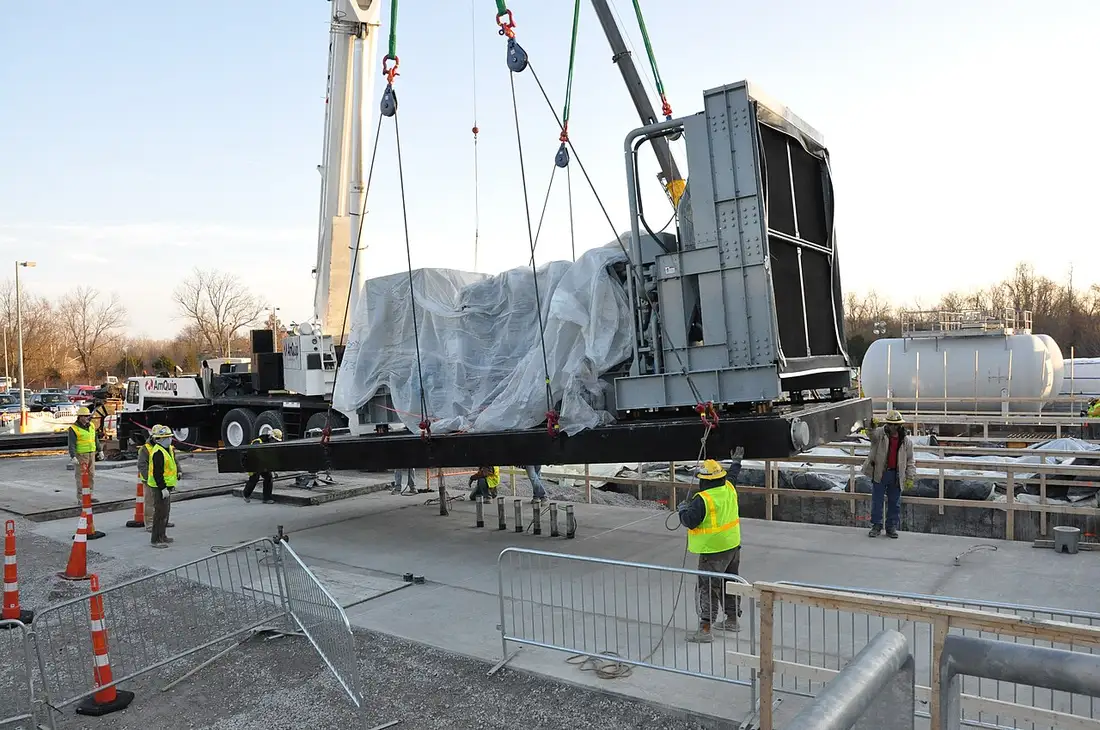
Generator Installation Through the Oklahoma City Year
Summer is the load season. Air conditioning runs from morning to past midnight across the metro, panels carry their heaviest sustained draw of the year, and the weak points announce themselves: breakers that trip on hot afternoons, connections that warm under load, attic wiring baking in the day's heat. Lightning rides the same months. Most electrical failures are discovered in summer - the wear happened across years, and the peak-load week is simply when the margin runs out.
Spring is storm season and preparation season at once. March through May is the peak of the supercell calendar, when the metro's outages, surge events and downed service drops concentrate. The electrical work that matters happens just ahead of it: panels checked, surge protection in place, standby generators serviced and exercised, and trees near the service drop reported before the wind finds them. The first big storm week of the year grades every home's preparation without mercy.
Winter in Oklahoma City is mild until it is not: the ice storms are the season's defining electrical events, when coated lines and falling limbs take down drops and masts across whole districts at once. Between storms, the winter load story is space heaters on bedroom circuits, holiday lighting on old exterior outlets, and heating equipment running its longest hours - each a small test of circuits that sit idle the rest of the year.
Generator Installation in Depth
A standby generator is best understood as a second utility, privately owned, with a staff of one: the maintenance calendar. Its installation quality is written in the load list's honesty, the transfer equipment's safety and the fuel plan's arithmetic - and its lifetime quality is written in oil changes and exercise runs that happen in calm weather, on schedule, without drama.
It is also the job where restraint in sizing pays twice. A system matched to the outage list starts its big motors, carries its loads without strain and runs its fuel at the rate the household planned for. The oversized machine short-cycles its way through a decade of outages it was never actually asked to cover, and the undersized one fails the only examination that counts - the night the ice arrives.
Choosing the Right Help
Choose generator help by the load list. The installer who builds your outage list room by room, does the panel arithmetic in writing and plans fuel, site and transfer as one system is designing your second utility; the one who sizes by square footage is designing their invoice. Ask what the system will not run. The honest list of exclusions is the soundest part of any proposal.
The Conditions Behind It
Oklahoma City sits on the southern plains where Gulf moisture runs into dryline storms, and the weather writes the electrical calendar here: a spring supercell season that tests every service mast and overhead drop in the metro, a summer of peak cooling loads, a second severe season in the fall, and winters that can wrap the whole city in ice. An electrical system in Oklahoma City is not judged on a mild day - it is judged in the storm weeks, and the pages here are organized around that.
The metro's wiring is a layered archive of its building history. The streetcar suburbs of the 1900s through the 1930s still hold knob-and-tube runs, cloth-insulated cable and fuse boxes. The postwar decades built whole districts on 100-amp panels, including panel families from that era that inspectors now flag on sight. The mid-1960s to the mid-1970s added aluminum branch wiring to thousands of homes. And the growth edges build at 200 amps with chargers and standby generators planned from the start. Which layer a house sits in decides most of its electrical story.
How Generator Installation Works
Build the outage load list
Room by room and system by system: what must run when the grid is down, what would be nice, what can wait - the list sizes everything that follows.
Set the fuel and site plan
Gas or propane supply, the pad location with its clearances and exhaust path, and the transfer equipment matched to the load list - whole-service or managed loads.
Install the system
Generator set and connected, transfer equipment installed at the panel, circuits landed as planned, and the utility-side safety of the arrangement verified.
Commission and exercise
The system is run under a simulated outage with the house's real loads, its automatic exercise schedule set, and its maintenance rhythm handed over in writing.
Doing It Yourself vs a Professional
The DIY Route
- Backfeeding a panel through a dryer outlet with a portable generator - the practice endangers line crews and the house alike, and it is the one shortcut with no defense
- Sizing by the house's square footage instead of its load list buys either a machine that cannot start the heat or one idling through its life underloaded
- Siting a generator by convenience - under a window, in the garage's breath - without the exhaust and clearance arithmetic
VS
The Professional Route
- Sizes from your outage load list, measured against the panel's real arithmetic
- Plans fuel, site and transfer as one system, with crew safety built into the connection
- Commissions under a simulated outage and leaves the maintenance rhythm in writing
Keep It From Coming Back
A standby generator keeps its promise through maintenance, not hope. These are the habits that make the machine's one important night an ordinary one.
- Exercise is not optional: a standby generator that does not run weekly is a machine practicing failure for the one night it is needed.
- Keep the maintenance calendar - oil, filters, battery - on the same rhythm as the storm seasons, serviced in the calm months.
- Keep the area around the unit clear; exhaust and cooling air are part of the installation's design, not landscaping suggestions.
- After any real outage run, note what the system carried and what it declined - the log tunes the load list for the next event.
- Never run a portable generator in a garage or near a window, and never feed a house panel from one without proper transfer equipment - both rules exist because of documented harm.
- Plan the fuel: know your propane level before storm season and your gas system's condition, so the runtime you counted on is the runtime you have.