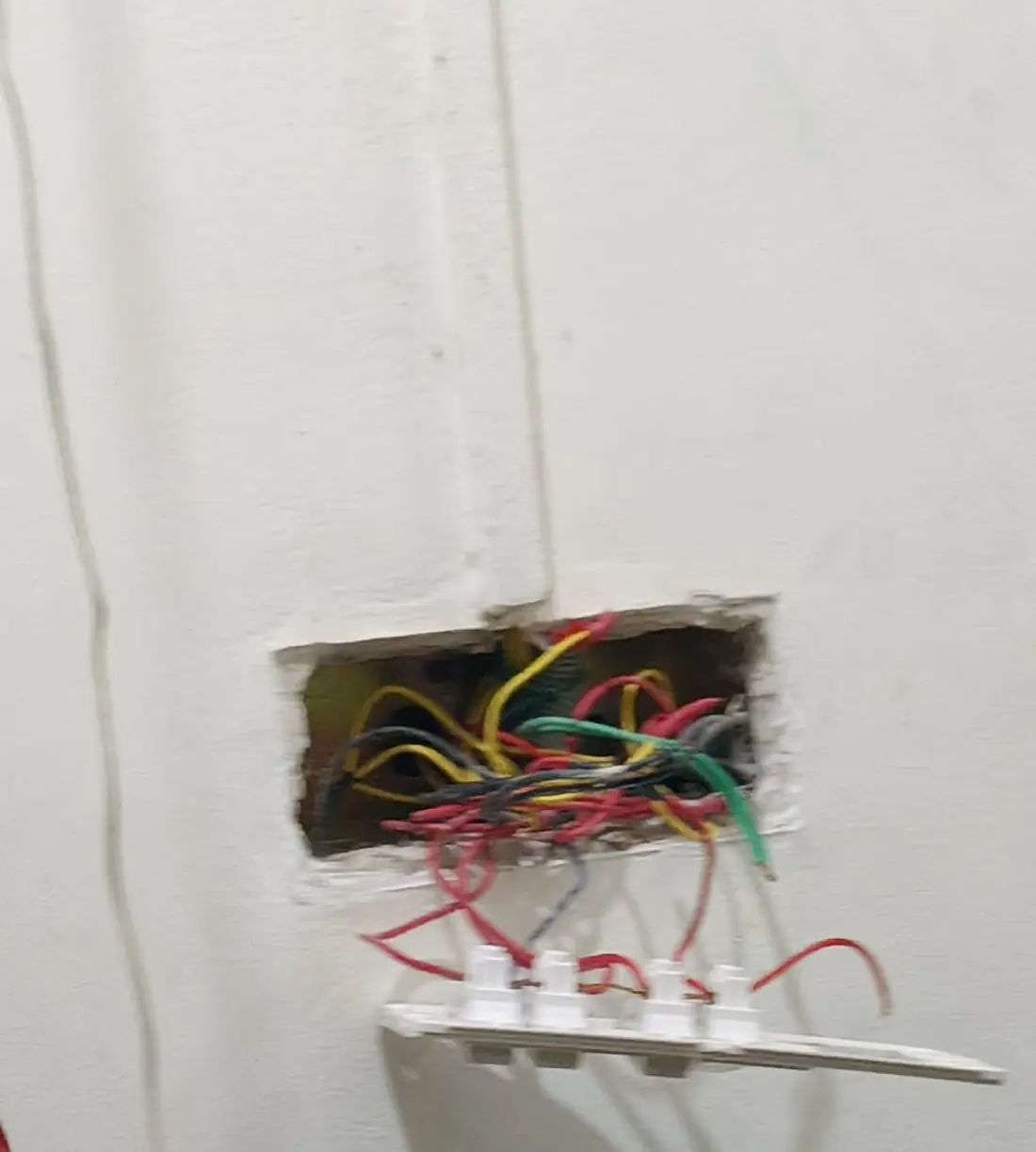
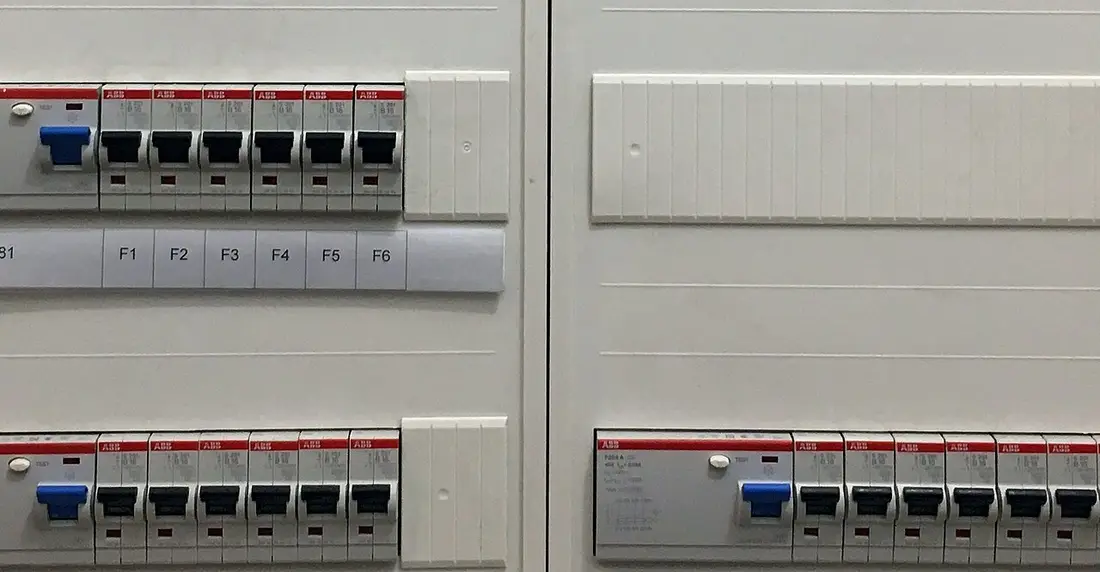
Oklahoma City homes carry four wiring eras: knob-and-tube and cloth cable in the pre-war districts, postwar copper with its era's panels, aluminum branch wiring from the mid-1960s to mid-1970s, and modern copper since.
Problem: Oklahoma City homes carry four wiring eras: knob-and-tube and cloth cable in the pre-war districts, postwar copper with its era's panels, aluminum branch wiring from the mid-1960s to mid-1970s, and modern copper since.
Solution: Each era has a known behavior: knob-and-tube ages by insulation and burial, cloth by crumbling, aluminum at its connections. The remedy follows the era, not the symptom.
When to call: Call for an assessment when you find warm devices on aluminum circuits, crumbling insulation in an attic, live knob-and-tube under added insulation, or any insurer's letter asking questions.
Open the attic of a Heritage Hills house, a Gatewood bungalow, a Quail Creek ranch and a Deer Creek new build, and you have opened four different centuries of electrical practice. Oklahoma City's housing stock was wired in distinct eras, each with its own materials, its own logic and its own way of aging. This guide is the field manual for those eras: how to recognize the one - or the several - in your walls, what each asks of its owner, and where the honest options for each begin.
The Oklahoma City Angle
Oklahoma City sits on the southern plains where Gulf moisture runs into dryline storms, and the weather writes the electrical calendar here: a spring supercell season that tests every service mast and overhead drop in the metro, a summer of peak cooling loads, a second severe season in the fall, and winters that can wrap the whole city in ice. An electrical system in Oklahoma City is not judged on a mild day - it is judged in the storm weeks, and the pages here are organized around that.
The Pre-War Eras: Knob-and-Tube and Cloth
Knob-and-tube wiring - single conductors run on ceramic knobs, through ceramic tubes, air-cooled in open framing - was careful work in its day, and in the metro's streetcar suburbs it was the day that lasted from the 1900s into the 1930s. Its aging is physical: insulation gone brittle where the runs pass hot attics, splices made free-air in junction-less tradition, and its one absolute incompatibility - modern insulation blown or laid over it, trapping heat its designers counted on the air to carry away.
Cloth-insulated cable followed, in the 1930s and 1940s, and ages by disintegration: the fabric sheath powders, the rubber beneath cracks, and conductors end up dressed in good intentions. Both eras share the same modern context - they were sized for a house of lights and a radio, and they now feed kitchens, offices and chargers. The assessment question is never whether these systems were well made. It is whether a century of heat, additions and load growth has left them honest, and the answer is read in the attic, run by run.
The Aluminum Era: 1965 to the Mid-1970s
For roughly a decade, copper prices sent builders to aluminum branch wiring, and the metro's subdivisions of those years - Quail Creek, The Village, the south side, the Tinker suburbs, Edmond's middle ring - are wired in it throughout. The wire itself was not the problem; its connections were. Aluminum oxidizes, expands and creeps differently than copper, and connections landed on devices designed for copper loosen and heat across the years - which is why this era's symptoms live at outlets and switches: warm plates, flicker on one circuit, devices dying young.
The era has known remedies, and they are specific: connections renewed on devices rated for the method, approved pigtailing and remediation systems at every device, or rewiring of the affected circuits outright. What is not a remedy is the standard device swap - a copper-only device landed on aluminum recreates the original condition with fresh parts. The era's homes are sound houses with a known maintenance discipline, and the discipline is at the connections.
PROBLEM
→
SOLUTION
Reading Your Own House's Eras
Most older metro homes are not one era but a stratigraphy: the original runs, the panel swap of one decade, the kitchen circuit of another, the addition of a third. Reading it starts at the panel - its make and era, the cable types that land in it - and continues in the attic, where cable jackets announce their decades to anyone who looks. Basements and crawlspaces, where they exist, tell the same story from below. The point of the read is a map: which circuits belong to which era, and which era's discipline each part of the house therefore requires.
The map is also the money document. It converts a vague anxiety - 'the wiring is old' - into a scoped list: these circuits to retire, these connections to renew, this panel to identify, that addition's work to verify. Insurers and buyers read the same map with the same relief. And it sets the sequence honestly, because almost no house needs everything at once, and almost every old house needs something specific soon - the map names which, and the name is the beginning of the plan.
The Eras Inside One House: A Stratigraphy Walk
Few old houses are one era. The typical Heritage Hills or Gatewood interior is a core of original runs, a mid-century panel swap, a 1980s kitchen circuit, a 2000s bath remodel and an addition whose wiring answers to its own decade - five electrical generations sharing one directory. Each generation obeyed its era's rules and materials, which is why grading the house as 'old wiring' is useless: the unit of judgment is the individual run, in its individual condition.
The practical consequence is that era work is sequenced, not total. The knob-and-tube circuit feeding the insulated attic goes first; the sound cloth run to a closet light waits its turn; the aluminum connections get their audit this year rather than this decade. A map turns a five-figure anxiety into a staged plan with dates - and staging, in old houses, is the difference between stewardship and paralysis.
What Inspectors, Insurers and Buyers Actually Look For
The professional world's questions about old wiring are narrower than owners fear: Is any knob-and-tube live, and is it buried in insulation? Is aluminum branch wiring present, and have its connections been remediated by an approved method? Is the panel one of the flagged families? Those three answers, documented, satisfy most inspections and underwriting files - the system's remaining age is priced as age, not as risk.
Which is why the wiring file matters as much as the wiring: eras identified, remediations recorded with permits where they apply, panel identified by make. An old house with a file is an honest house, and honest houses have calmer sales, calmer renewals and calmer owners. The file begins with the first mapping visit that bothers to write the eras down.
Myth vs Fact
The Myth
Old wiring is a time bomb - any house with knob-and-tube or aluminum is an emergency waiting for a spark. Owners hear the era names at a closing or a dinner party and spend the next month imagining the walls smoldering.
VS
The Fact
Each era has a specific, bounded risk profile - and specific, bounded remedies. Knob-and-tube's hazards are insulation burial and later tampering; aluminum's is the device connection; cloth's is crumbling insulation. All are gradeable run by run, and most old houses need targeted work on a schedule, not a panic or a shrug.
The Related Service, In Depth
A rewire is best understood as the house's electrical biography being rewritten in one edition. The old volumes remain in the record - the mapping of what was found, where it ran, why it was retired - but the working text becomes a single era: circuits drawn for the house as it is lived in, landed on a panel that can describe them truthfully.
That is the service side of this guide's subject. When you are ready, the Whole-Home Rewiring page carries the process, the coverage by neighborhood and the number to call.
The Process, Step by Step
Start at the panel
Make, era and the cable types landing in it: the panel is the house's wiring table of contents.
Read the attic
Cable jackets and run styles identify the eras; look for brittle cloth, live knob-and-tube, and insulation buried over old runs.
Check devices on suspect circuits
Warmth, discoloration and looseness at outlets and switches - read-only observations, panel off before any cover comes off, and a professional's job beyond looking.
Draw the map
Circuit by circuit, era by era. The map is the deliverable every later decision - repair, remediate, rewire - is made from.
Prevention Checklist
Never bury knob-and-tube under added attic insulation; if insulation is planned, the wiring conversation comes first.
In an aluminum-era home, schedule device-connection checks as maintenance - the era's risk lives at connections and announces there.
Keep the wiring map with the house file and update it at every project; a mapped old house is an honest house.
Ask the era question at purchase: a pre-purchase wiring read costs little and prices the house truthfully.
Match every new device to the wiring it lands on - era-appropriate devices and methods, every time, no exceptions for hurry.
A Field Checklist for Your Own Home
Walk the house and note which rooms feel original and which feel remodeled, decade by decade if you can.
Photograph the panel and its schedule card; note any fuses still in service.
Check the attic before any insulation work is scheduled - live knob-and-tube changes that plan.
Start the wiring file
eras, panel identity, and every remediation with its date.
What the Paperwork Should Show
The mapping visit is a tour with an agenda: panel identified, eras sampled run by run in the attic, basement and at representative devices, insulation conflicts flagged, and the aluminum connection question answered for the circuits that carry it. Its product is the written map with grades and a staged sequence - first the compounding items, then the safety queue, then the schedule items. No wiring is replaced in a mapping visit; the map is what makes the replacements rational when they come.
Remediation scopes then follow the map: approved-method aluminum connection work as its own project, era circuits retired or rewired in the order the grades set, panel questions answered with the same document in hand. Owners who keep the file updated turn each project into a line struck from a list, and the list - unlike the house's wiring - visibly shortens.
How a Professional Works This Problem
A professional reads an old house the way an archivist reads a collection: era by era, run by run, grading condition rather than condemning by birth year. The instruments are unglamorous - the attic light, the panel's testimony, the device connections sampled on the suspect circuits - and the deliverable is the map with its grades and its sequence, so the owner can stage years of stewardship from one document. What separates this from a sales call is that the map acquits as often as it accuses: sound runs are declared sound, in writing.
Mistakes That Make It Worse
Insulating the attic over live knob-and-tube because the insulation crew was already booked: The combination is the era's one documented prohibition, and it is created in an afternoon.
Landing modern devices on aluminum runs with copper-era habits: The device swap that recreates the exact failure the era is known for.
Judging the whole house by its worst run - or its best: Eras are graded per circuit, and both blanket verdicts waste money, one on panic and one on calm.
Skipping the map because the work is 'obvious': The unmapped house charges its next owner, its insurer and its next electrician for the same discovery, repeatedly.
The Bottom Line
Old wiring is not a verdict; it is a biography with chapters. Read it chapter by chapter, fix it in the order the chapters demand, and the house's age becomes what it should have been all along - character with a file.
A home charger is among the largest continuous loads a house carries, so installation starts with a load calculation at the panel - the arithmetic that decides the charge rate your house can honestly feed.
A breaker that trips repeatedly is reporting one of three things - an overloaded circuit, a short or ground fault, or a breaker at the end of its own life - and each has a different remedy.
No - it is automatically old, which is a different statement. Undisturbed knob-and-tube in open air, on light loads, has served for a century. Its genuine hazards are specific: deteriorated insulation, splices and taps added by later hands, circuits loaded beyond its era's imagination, and insulation buried over it. The assessment grades your runs against those specifics rather than against the calendar - and some runs pass, while others have been waiting for retirement since the Carter administration.
Can aluminum wiring be made safe without rewiring the house?
The connection problem - which is the era's actual problem - can be addressed at every device by approved remediation: rated devices, approved connectors and pigtailing methods designed for exactly this marriage of metals. What remediation cannot fix is damaged wire itself, and circuits that have already overheated argue for renewal. The honest sequence is an audit that grades connection by connection, then remediation or rewiring prescribed per circuit, from evidence.
My insurer is asking about my wiring. What do they want to know?
Usually three things: the panel's make and era, whether knob-and-tube or aluminum branch wiring is present and live, and what has been done about each - documented. A wiring assessment produces exactly that file: eras identified, conditions graded, work performed with permits where they apply. Owners who answer with a document have a different conversation than owners who answer with an adjective.
How do I know which era my house is, without opening anything?
Start with the building's date and the panel. Pre-war districts are knob-and-tube and cloth territory; the mid-1960s to mid-1970s subdivisions are the aluminum window; postwar decades between and around them ran copper with the era's panels. Additions and renovations overlay their own years. That estimate orients you; the attic and panel confirm it - and confirmation, in this subject, is worth the short visit it takes.
Please note: Oklahoma City Electrician is an independent directory and referral service, not an electrical contractor. The professionals reachable through this site are independent businesses; any agreement for work is between you and the professional you engage. Service information on this site is general educational material - the scope of any real electrical work is set by an on-site inspection.
A Breaker That Keeps Tripping, Lights That Flicker or a Panel Due for an Upgrade?
One call connects you with an electrical professional serving Oklahoma City and the surrounding metro communities - assessment, repair, service and installation.