Smoke and CO Detectors in Belle Isle
Smoke and CO Detectors for Belle Isle homes - local conditions, a clear process, and one call to get it started.
Homes here share more than a ZIP: they share storm tracks, outage maps and the wiring generations both produce.
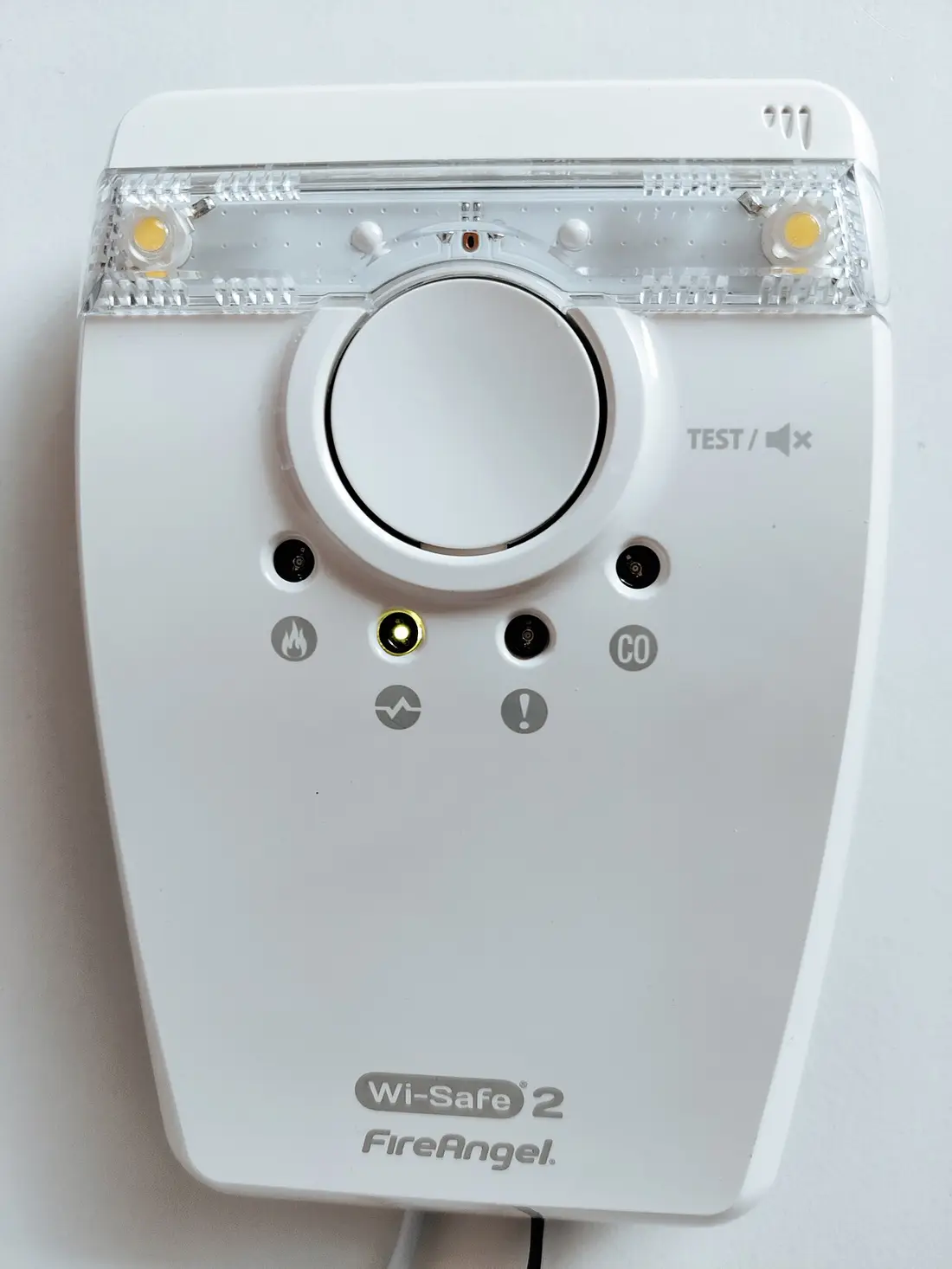
In Belle Isle, the detector conversation usually starts with a chirp at 3 a.m. or a home sale's inspection note. Behind it sits a system question: hardwired or battery, interconnected or islands, placed where the smoke actually travels or where the builder found it convenient. The answers are knowable in one walk of the house.
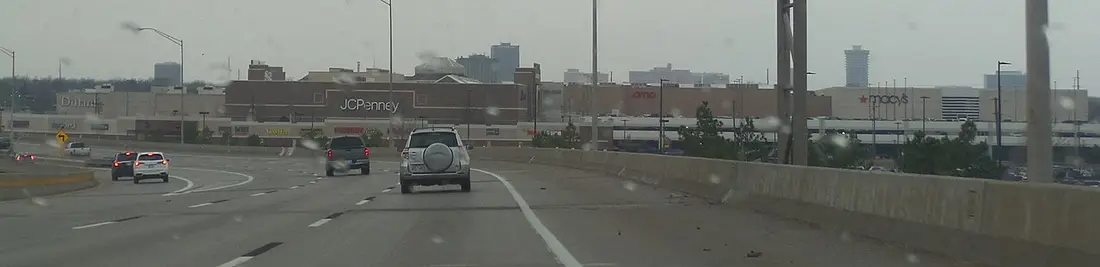
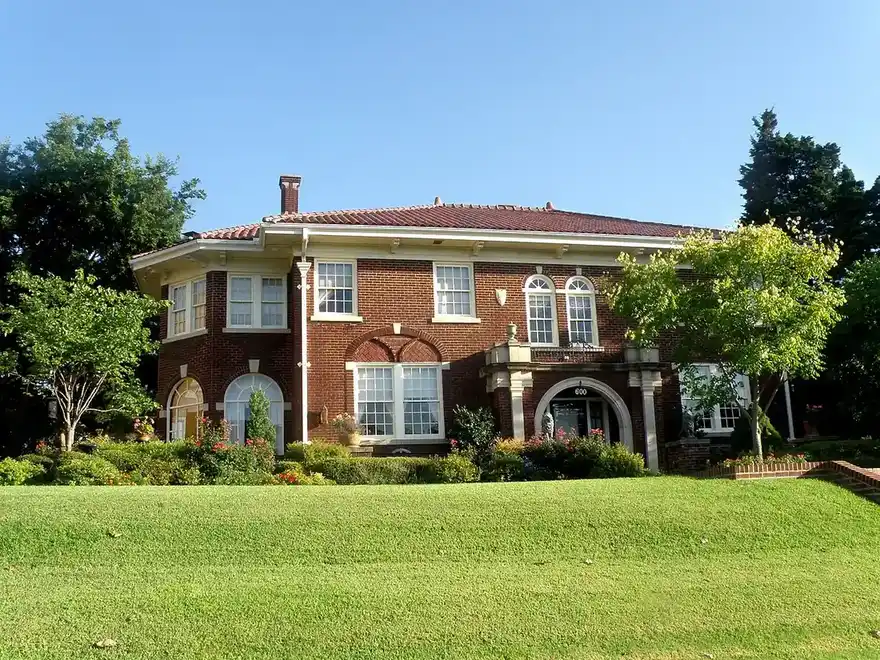
Belle Isle is a postwar neighborhood west of Nichols Hills, built mostly in the 1950s and 1960s as ranch houses and minimal-traditional homes along curving streets around the Belle Isle library and Penn Square's orbit. It is the inner-northwest's classic mid-century stock: brick ranches, carports turned garages, and big shade trees now older than the houses.
No two Oklahoma City neighborhoods run the same wiring. 1950s and 1960s brick ranch and minimal-traditional homes, many with converted carports, added dens and updated kitchens - and that shapes the electrical work directly. Mid-century electrical arithmetic rules here: panels sized for a 1950s house - often 100 amps, some of them the panel families of that era that inspectors now flag on sight - feeding 2020s loads of chargers, spas and workshop tools. For smoke and co detectors in Belle Isle, for detector work, the visit reads dates and placements room by room before any unit is replaced.
At the Belle Isle library corner near NW 55th and Villa, Belle Isle tells you its priorities: which systems the lightning found, which the ice found, and which the slow clock of age found first.
Signs Belle Isle Homes Need Smoke and CO Detectors
Chirping that a new battery does not cure
The end-of-life chirp is a different signal from the low-battery chirp, and it does not stop for batteries.
Detectors were removed, painted or taped over
The silenced detector is a fixture of renovation history: unplugged for cooking smoke, painted in a remodel, battery borrowed for a remote.
Units are not interconnected
Island detectors warn the room they are in.
Why This Work Runs in Belle Isle
Winter writes the CO chapter: the first cold weeks light every furnace and fireplace in the metro at once, and the season's CO calls follow the heating map. The detector system's job is to be already installed, already placed and already current when that week arrives.
Mid-century electrical arithmetic rules here: panels sized for a 1950s house - often 100 amps, some of them the panel families of that era that inspectors now flag on sight - feeding 2020s loads of chargers, spas and workshop tools. Additions wired onto spare breaker spaces are the neighborhood's signature finding, and the panel is where most Belle Isle electrical work properly begins.
In Belle Isle, that plays out street by street - for detectors, watch the dates - placement is the map, expiry is the clock. The pattern in Belle Isle rewards the homes that assess in the off-season; the rest meet the same problem at storm season's peak.
Summer is the load season. Air conditioning runs from morning to past midnight across the metro, panels carry their heaviest sustained draw of the year, and the weak points announce themselves: breakers that trip on hot afternoons, connections that warm under load, attic wiring baking in the day's heat. Lightning rides the same months. Most electrical failures are discovered in summer - the wear happened across years, and the peak-load week is simply when the margin runs out.
Expect the findings to be specific: this connection's heat, that circuit's measured load, the panel's make and era, the run losing its insulation in the attic. Vague findings produce vague results. A visit that ends with a map - of readings, of weak points, of what gets repaired and what gets watched - is a visit that was worth booking, whatever the system turns out to need.
In this part of the metro the season is not background - it is the schedule. Belle Isle homes that work a season ahead stay ahead.
Before you call, a five-minute check pays for itself: note which breaker trips, which rooms run dim, and any new sound or smell the system has learned. That list, given on the call, gets the right equipment on the truck.
How Smoke and CO Detectors Works in Belle Isle
The full step-by-step process for this service - assessment, scope, the work itself and follow-up - is laid out on the main Smoke and CO Detectors page. In Belle Isle the same sequence runs with the local map in hand: the panel generations around the Belle Isle library corner near NW 55th and Villa, the housing pattern described above, and the storm exposure this neighborhood actually carries.
The Belle Isle Angle
What makes Belle Isle different is not the work; it is the setting - storm seasons, lightning and housing eras, arranged by one neighborhood's geography. Housing here tells the electrician where to look first. 1950s and 1960s brick ranch and minimal-traditional homes, many with converted carports, added dens and updated kitchens.
What the neighborhood wired, aged and patched fills in the rest. Mid-century electrical arithmetic rules here: panels sized for a 1950s house - often 100 amps, some of them the panel families of that era that inspectors now flag on sight - feeding 2020s loads of chargers, spas and workshop tools. Additions wired onto spare breaker spaces are the neighborhood's signature finding, and the panel is where most Belle Isle electrical work properly begins. Which is the whole method: read Belle Isle first, then do smoke and co detectors work that fits what the reading found.
Belle Isle does not sit alone on the map. It weathers the same storm seasons as Crown Heights, Nichols Hills and The Village - the same fronts cross the metro, the same lightning works the same panels, and the same ice loads the same lines within the same few days. The neighborhoods lean on each other here: the same May storm front grades them all within the same evening.
On the route map, Belle Isle sits in the oklahoma city neighborhood group, ZIP 73112 - close enough to Crown Heights, Nichols Hills that crews work them on the same runs. Which means smoke and co detectors here is scheduled with the neighborhood's pattern in mind, not dropped into it cold.
A note on timing that the local pattern makes plain: smoke and co detectors done in the quiet months is a different service from the same work done in the emergency weeks - same trade, same crew, but planned instead of reactive, and thorough instead of triaged.
Prevention That Helps in Belle Isle
- Replace the whole set on its calendar when a house's units share an age - they were installed together, and they retire together.
- Write each detector's manufacture date in the house file the day it is installed; memory is not a tracking system.
- When a fuel-burning appliance is added or a garage is attached, revisit CO placement in the same project, not at the next winter.
1950s and 1960s brick ranch and minimal-traditional homes, many with converted carports, added dens and updated kitchens.
Keep Exploring
Smoke and CO Detectors nearby:
- Smoke and CO Detectors in Crown Heights
- Smoke and CO Detectors in Nichols Hills
- Smoke and CO Detectors in The Village
- Smoke and CO Detectors in Warr Acres
More services in Belle Isle:
- Whole-Home Rewiring in Belle Isle
- Hot Tub and Pool Wiring in Belle Isle
- Whole-Home Surge Protection in Belle Isle
- Generator Installation in Belle Isle
See the full electrical page for Belle Isle and the Smoke and CO Detectors overview for Oklahoma City.
Smoke and CO Detectors in Belle Isle - Questions
Where do CO detectors belong in my Belle Isle home?
Outside the sleeping areas and on every level, with attention to the zones near fuel-burning appliances - furnace, water heater, fireplace - and the attached garage's boundary. Placement follows the maker's height and distance guidance for the gas's behavior. The walk that places them also inventories your appliances, because the appliance map is the CO map.
Why does my detector chirp even with a new battery in Belle Isle?
Because the chirp is probably not about the battery: end-of-life signaling is built into detectors precisely so an expired sensor cannot be silenced into continued service by fresh batteries. Check the manufacture date on the unit - if the date says the sensor's life is over, the chirp is the device doing its final job correctly.
How does Smoke and CO Detectors work around the Belle Isle library corner near NW 55th and Villa?
The landmark matters because it concentrates the pattern - storm exposure, outage history, and the neighborhood's building era in one place. Smoke and CO Detectors visits in Belle Isle read that pattern first: where the lightning, the outages and the aging gather, the electrical work follows, and the scope is drawn from it.
A Breaker That Keeps Tripping, Lights That Flicker or a Panel Due for an Upgrade?
One call connects you with an electrical professional serving Oklahoma City and the surrounding metro communities - assessment, repair, service and installation.
📞 Call Now