Smoke and CO Detectors in Downtown Oklahoma City
Smoke and CO Detectors for Downtown Oklahoma City homes - local conditions, a clear process, and one call to get it started.
In Downtown Oklahoma City, smoke and co detectors begins with a look at the readings, not a parts list - the evidence here writes its own work order.
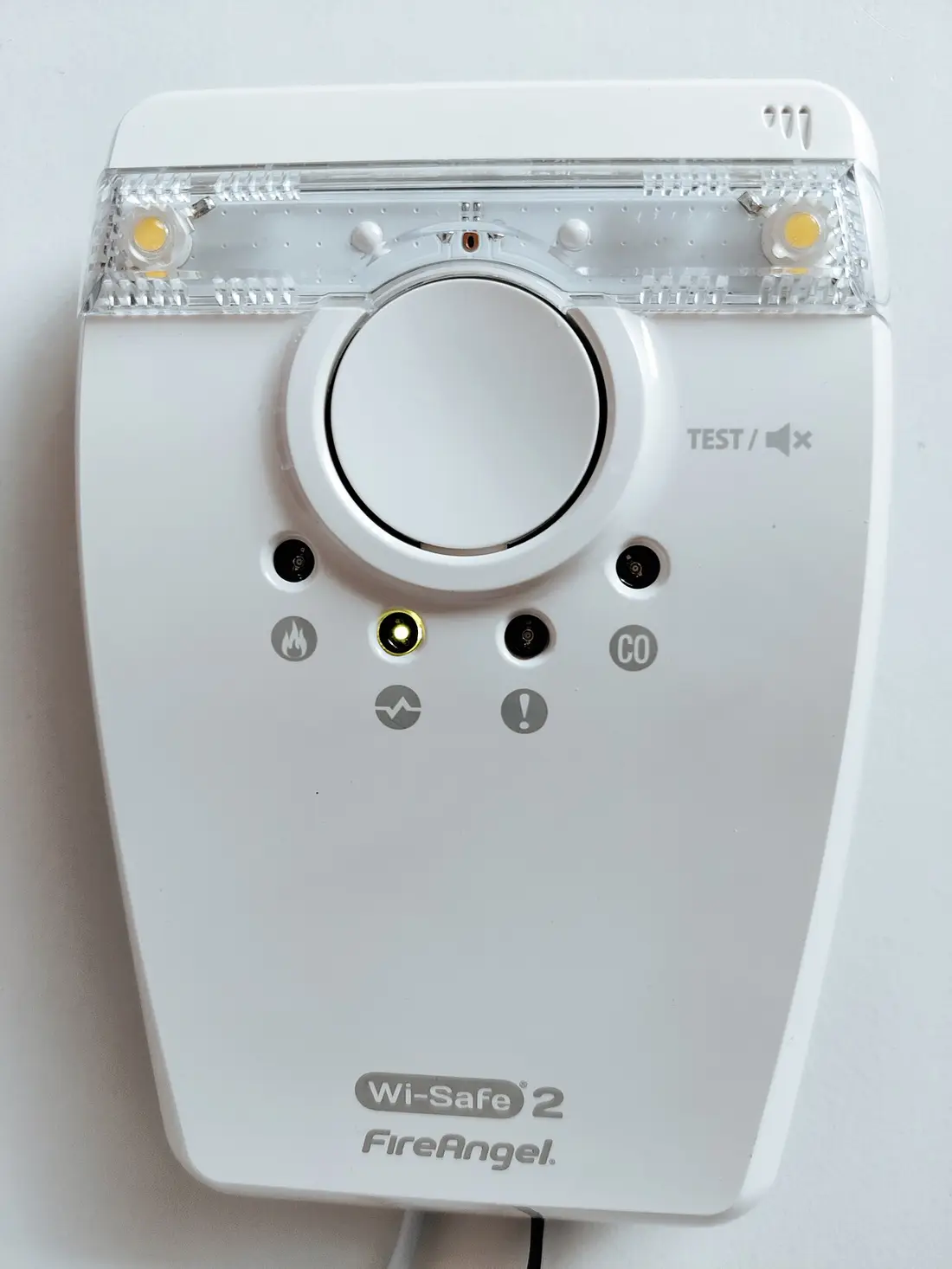
Detectors are the electrical devices Downtown Oklahoma City homes think about least and depend on most. They also expire: a smoke alarm's sensor has a working life of about a decade, a CO alarm's less, and both fail silently - the chirp is the polite version of the story. A detector service visit reads the whole map: what is installed, where, and how old it truly is.
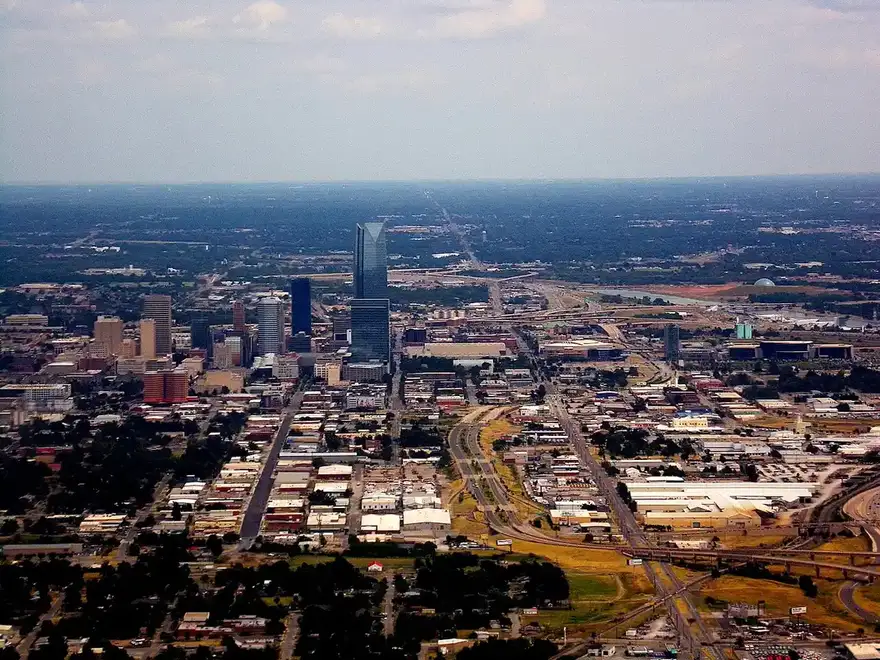
Downtown Oklahoma City is the business core of the metro, rebuilt in waves around the Myriad Botanical Gardens, Scissortail Park and the tower blocks along Robinson and Harvey. Lofts converted from early-1900s commercial buildings stand a few blocks from new residential towers, and the electrical stock is just as mixed - century-old conduit in the old buildings, modern three-phase services in the towers.
This part of the metro has its own version of every electrical system. Converted commercial lofts, early-1900s office buildings, newer apartment towers and a thin scatter of older houses at the edges - and that shapes the electrical work directly. Downtown electrical work splits in two: commercial services, panels and lighting in the towers and restaurants, and residential work in the lofts and conversions, where wiring from several renovations often shares one panel. For smoke and co detectors in Downtown Oklahoma City, for detector work, the visit reads dates and placements room by room before any unit is replaced.
Stand near the Myriad Botanical Gardens and Scissortail Park on a May evening and Downtown Oklahoma City's whole pattern is in one view: the rooftops, the panel generations behind the walls, and the storm light building on the horizon.
Signs Downtown Oklahoma City Homes Need Smoke and CO Detectors
Detectors were removed, painted or taped over
The silenced detector is a fixture of renovation history: unplugged for cooking smoke, painted in a remodel, battery borrowed for a remote.
Detectors exist on one floor only
Smoke rises and CO mixes; protection placed on a single floor of a multi-level house leaves the sleeping floors - where protection matters most - to luck and hallway acoustics.
Chirping that a new battery does not cure
The end-of-life chirp is a different signal from the low-battery chirp, and it does not stop for batteries.
Why This Work Runs in Downtown Oklahoma City
Winter writes the CO chapter: the first cold weeks light every furnace and fireplace in the metro at once, and the season's CO calls follow the heating map. The detector system's job is to be already installed, already placed and already current when that week arrives.
Downtown electrical work splits in two: commercial services, panels and lighting in the towers and restaurants, and residential work in the lofts and conversions, where wiring from several renovations often shares one panel. Older buildings still turn up cloth-insulated conductors and fuse-era gear in back rooms, and every tenant changeover downtown tends to reopen the question of whether the service matches the load now asked of it.
In Downtown Oklahoma City, that plays out street by street - for detectors, watch the dates - placement is the map, expiry is the clock. Ask the Downtown Oklahoma City electricians and they will name the same short list of streets where smoke and co detectors calls repeat - and the reasons are visible from the panel.
Spring's second act is the first-storm audit. After the first big outbreak week, the pattern repeats street by street: the mast that held and the one that pulled loose, the panel that shrugged off the surge and the electronics that did not, the generator that started and the one that had not been exercised since last year. Owners who read that week honestly start their decisions from evidence; owners who skip it find out across May, one storm at a time.
On the day, expect the visit to start with questions and a panel reading, not a parts swap. The electrician confirms the problem, shows you the evidence - the breaker that will not hold, the warm device, the panel's identity - and explains the plan before any work begins, and you get the findings in writing when it is done.
Around the Myriad Botanical Gardens and Scissortail Park, the season shows up early: exposed blocks and older panels run a few weeks ahead of the sheltered ones.
Before you call, a five-minute check pays for itself: note which breaker trips, which rooms run dim, and any new sound or smell the system has learned. That list, given on the call, gets the right equipment on the truck.

How Smoke and CO Detectors Works in Downtown Oklahoma City
The full step-by-step process for this service - assessment, scope, the work itself and follow-up - is laid out on the main Smoke and CO Detectors page. In Downtown Oklahoma City the same sequence runs with the local map in hand: the panel generations around the Myriad Botanical Gardens and Scissortail Park, the housing pattern described above, and the storm exposure this neighborhood actually carries.
The Downtown Oklahoma City Angle
Ask anyone who does electrical work in Downtown Oklahoma City and they will tell you the pattern repeats: the panel generations, the wiring eras, and the storm seasons grade the result. The work plan follows the way this area was built and wired. Converted commercial lofts, early-1900s office buildings, newer apartment towers and a thin scatter of older houses at the edges.
And the panels carry their own local accent. Downtown electrical work splits in two: commercial services, panels and lighting in the towers and restaurants, and residential work in the lofts and conversions, where wiring from several renovations often shares one panel. Older buildings still turn up cloth-insulated conductors and fuse-era gear in back rooms, and every tenant changeover downtown tends to reopen the question of whether the service matches the load now asked of it. So the smoke and co detectors visit here is built from the block outward: evidence first, readings second, work matched to both.
Downtown Oklahoma City does not sit alone on the map. It weathers the same storm seasons as Bricktown, Midtown and Capitol Hill - the same fronts cross the metro, the same lightning works the same panels, and the same ice loads the same lines within the same few days. That shared geography is the argument for local pages and local visits - the map is the method.
On the route map, Downtown Oklahoma City sits in the oklahoma city district group, ZIP 73102 - close enough to Bricktown, Midtown that crews work them on the same runs. Crews working a route learn its systems - the repeat failures, the aging panels, the runs that fault first - and smoke and co detectors gets better every run.
What the work actually protects in Downtown Oklahoma City is not the system alone - it is the sleep, the workdays, the freezers and the routines inside the house. Framed that way, the order of jobs writes itself: safety first, capacity second, efficiency third, and the assessment always.
Prevention That Helps in Downtown Oklahoma City
- Replace the whole set on its calendar when a house's units share an age - they were installed together, and they retire together.
- When a fuel-burning appliance is added or a garage is attached, revisit CO placement in the same project, not at the next winter.
- Write each detector's manufacture date in the house file the day it is installed; memory is not a tracking system.
Converted commercial lofts, early-1900s office buildings, newer apartment towers and a thin scatter of older houses at the edges.
Keep Exploring
Smoke and CO Detectors nearby:
- Smoke and CO Detectors in Bricktown
- Smoke and CO Detectors in Midtown
- Smoke and CO Detectors in Capitol Hill
- Smoke and CO Detectors in Stockyards City
More services in Downtown Oklahoma City:
- Outlet and Switch Services in Downtown Oklahoma City
- Lighting Installation in Downtown Oklahoma City
- Breaker Panel Upgrade in Downtown Oklahoma City
- Whole-Home Surge Protection in Downtown Oklahoma City
See the full electrical page for Downtown Oklahoma City and the Smoke and CO Detectors overview for Oklahoma City.
Smoke and CO Detectors in Downtown Oklahoma City - Questions
Should detectors in Downtown Oklahoma City be hardwired or battery powered?
Hardwired with battery backup, interconnected, is the standard newer construction is built to and the target older homes are upgraded toward: it removes the dead-battery failure and makes one sensing unit warn the whole house. Quality battery and wireless-interconnect units are the honest option where wiring cannot reasonably go. The plan for your house is drawn from its construction, not from a preference.
Where do CO detectors belong in my Downtown Oklahoma City home?
Outside the sleeping areas and on every level, with attention to the zones near fuel-burning appliances - furnace, water heater, fireplace - and the attached garage's boundary. Placement follows the maker's height and distance guidance for the gas's behavior. The walk that places them also inventories your appliances, because the appliance map is the CO map.
What should Downtown Oklahoma City homeowners have ready before a Smoke and CO Detectors visit?
Access and information. Clear the way to the panel and the attic hatch, secure pets, and have the pattern written down - when it started, where it shows, and what the weather was doing. That five minutes of prep is worth a second visit.
A Breaker That Keeps Tripping, Lights That Flicker or a Panel Due for an Upgrade?
One call connects you with an electrical professional serving Oklahoma City and the surrounding metro communities - assessment, repair, service and installation.
📞 Call Now