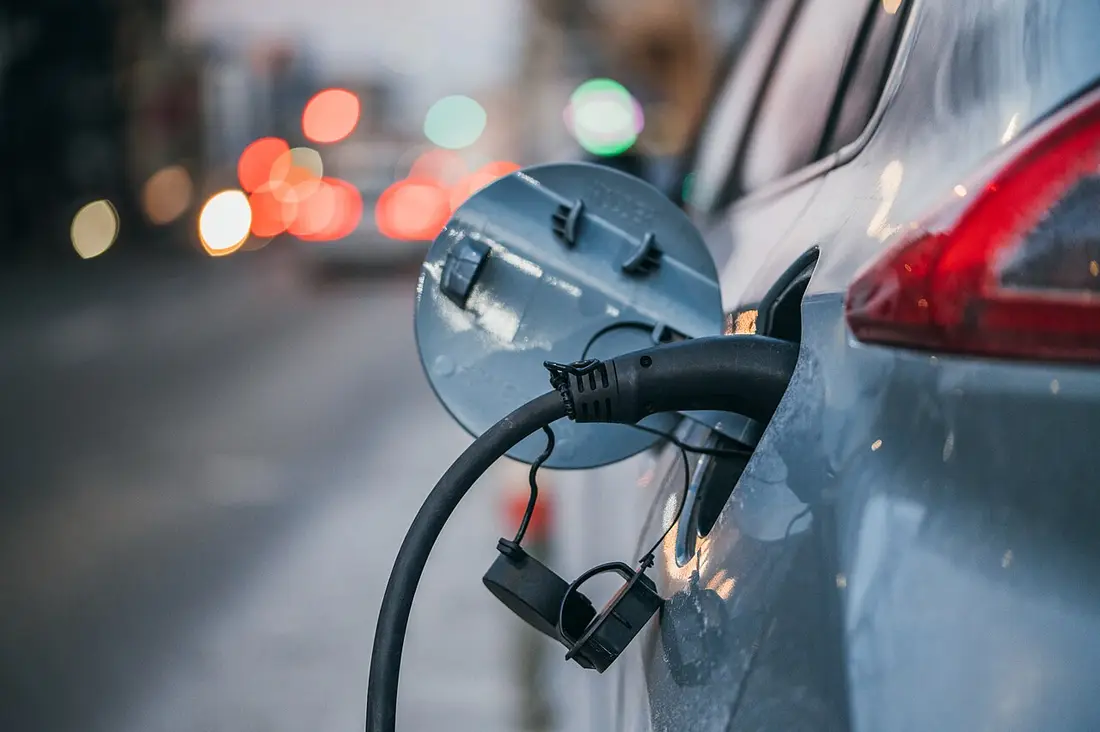
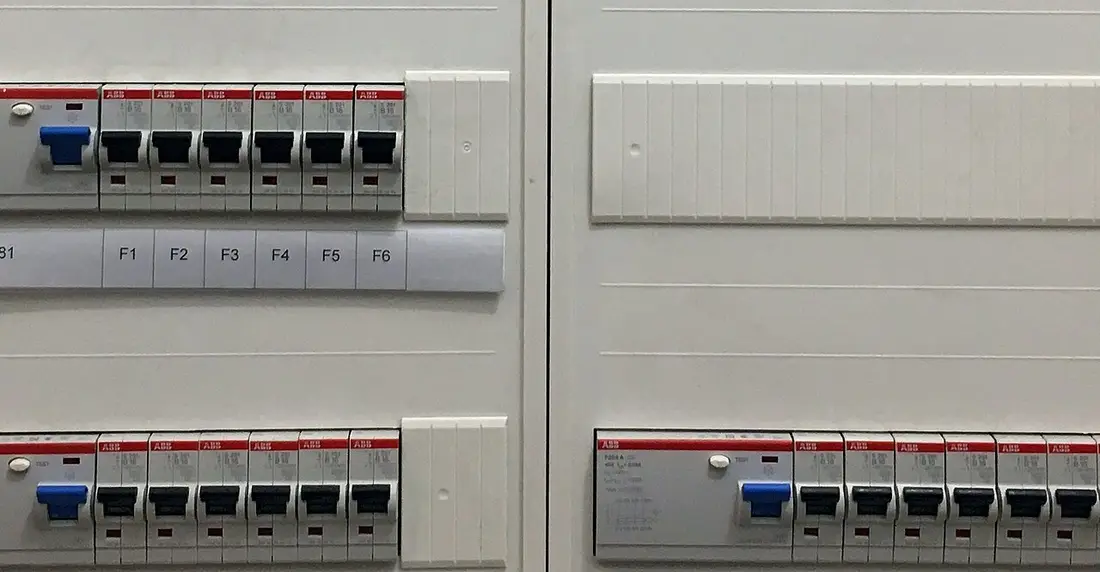
A home charger is among the largest continuous loads a house carries, so installation starts with a load calculation at the panel - the arithmetic that decides the charge rate your house can honestly feed.
Problem: A home charger is among the largest continuous loads a house carries, so installation starts with a load calculation at the panel - the arithmetic that decides the charge rate your house can honestly feed.
Solution: Match the rate to your driving, not the maximum available: most metro commutes are refilled overnight by a mid-size circuit, and load management lets many older panels serve an electric household without a service upgrade.
When to call: Plan for the second vehicle and the detached garage during the first installation - those decisions are one project now and two projects later.
An electric vehicle moves a fueling station into your garage, and the installation question turns out to be an electrical one wearing an automotive costume: where does a load the size of a second oven, running all night, honestly come from? Oklahoma City's housing makes the question interesting - new suburbs with panel capacity to spare, postwar cores whose 100 amps are fully subscribed, historic districts where the car parks streets away from the panel. This guide walks the real sequence: the arithmetic, the rate, the placement, and the second-car problem that arrives sooner than anyone plans.
The Oklahoma City Angle
Oklahoma City sits on the southern plains where Gulf moisture runs into dryline storms, and the weather writes the electrical calendar here: a spring supercell season that tests every service mast and overhead drop in the metro, a summer of peak cooling loads, a second severe season in the fall, and winters that can wrap the whole city in ice. An electrical system in Oklahoma City is not judged on a mild day - it is judged in the storm weeks, and the pages here are organized around that.
The Load Calculation: Where Every Honest Installation Starts
A charging circuit's defining trait is continuity: it draws its full rating for hours, where most household loads cycle in minutes. Electrical practice treats such loads with a margin for exactly that reason, and it is why the installation begins with a load calculation - the service's size, the house's existing heavy loads and their habits, summed against the charger's ask. In a Deer Creek new build the answer is usually a shrug; in a 1960s ranch on 100 amps it is a genuine design problem, and both deserve to have it worked rather than assumed.
The calculation's outputs are more various than yes and no. It can say the panel carries a full-rate circuit outright. It can say the house carries charging comfortably if the rate is chosen for the household's driving rather than the catalog's maximum. Or it can route the project through load management - equipment that watches the house's total draw and lets charging use what the moment offers - which converts many a service upgrade into a settings decision. Only the third answer, a genuinely exhausted service, sends the project to capacity work first, and even that verdict comes with numbers attached.
Choosing the Rate by Your Driving, Not the Brochure
Charge rates at home span a wide ladder, and the useful rung is set by arithmetic anyone can do: the miles you drive between charges, divided by the hours the car sleeps, is the rate your life requires - with margin for the week's worst day, not its average. Most metro households, running the I-35 and I-44 commutes this city is built around, refill comfortably overnight on mid-size circuits. The largest home rates exist for genuinely high-mileage households and short sleep windows, and buying them against a panel that cannot feed them is purchasing a number, not a charge.
There is a second, quieter variable: the battery's own habits. Charging that finishes in the small hours and rests, scheduled to the household's rhythm and the utility's off-peak shape, is kinder arithmetic for everyone. The installation visit sets scheduling and rate limits in the equipment with the household's real week on the table - the rare case where the settings page deserves as much attention as the wiring.
PROBLEM
→
SOLUTION
Placement, Distance and the Second Vehicle
Where the car sleeps decides the civil engineering. A garage wall shared with the panel is an afternoon; a detached garage across a yard is a trench, conduit and voltage-drop arithmetic; a rear driveway in a historic district is a route to be drawn around a century of landscaping. Outdoor placements are routine - equipment rated for it, routing protected - and in this metro they come with the storm-season rider: the charger is a costly electronic on the panel, and panel surge protection belongs in the same conversation.
Finally, the household's worst-kept secret: vehicles electrify in pairs. The second EV arrives on a schedule the first installation can anticipate - in the circuit's capacity, in a shared-circuit design where two chargers divide one feed intelligently, in the panel decision made once instead of revisited. Installers who ask about the second car are not upselling; they are reading the actuarial table of driveways. The time to hear them is while the first project's choices are still open.
Three Houses, Three Installations
The charger story is told in three properties. The new build on the growth edge: 200-amp service, garage beside the panel, an installation measured in hours whose only real decision is the second car's future circuit. The postwar ranch: a full 100-amp panel, a carport across the patio, and a project whose honest center is load management and a chosen rate - ending, most such projects, with overnight charging that fits the household's driving without a service upgrade. And the historic-district house: panel at the front, car at the rear, a route to be drawn with care - the installation is mostly surveying, and the survey is the value.
The lesson is that 'EV charger installation' names a family, not a job - and quotes gathered without the site visit compare different species. The household's protection against that confusion is the written load calculation and the walked placement: documents that make any two proposals comparable, because they describe the same house.
The Settings Page: Where the Installation Keeps Working
A modern charger's commissioning is half wiring, half configuration: the rate limit matched to the calculation, the schedule matched to the household's sleep and the utility's off-peak shape, the sharing behavior set for the second vehicle, the app's notifications made useful rather than noisy. Installations that skip this half leave the hardware's intelligence unclaimed - the car charging at full tilt into the dinner peak it was meant to dodge, the breaker meeting a load the settings could have smoothed.
Owners can audit this half themselves, in the first month: the charge log against the calendar. A well-set system shows an unremarkable pattern - plugged at night, full by morning, never a participant in the house's peak dramas. A pattern with surprises is a settings conversation, cheap to have and cheaper than the alternative: a household quietly reorganizing its evenings around a car's appetite it never chose.
Myth vs Fact
The Myth
Home charging means the fastest charger, full stop - anything less is a compromise you will regret. The maximum-rate charger is the default recommendation in forums, and owners repeat it as settled wisdom.
VS
The Fact
The right rate is the one your driving consumes and your panel feeds honestly. A mid-size circuit refills most metro commutes overnight with hours to spare; the maximum rate, bought against a panel that cannot feed it, charges at the speed of its breaker. Match the rate to the week you actually live, and the compromise disappears - because it never existed.
The Related Service, In Depth
A home charger is the first appliance most houses have owned that draws its full rating for six to ten hours at a stretch, and that single fact reorganizes the installation's priorities: connections torqued and verified, circuits sized with the continuous-duty margin the load demands, and a panel whose arithmetic was done before the rate was promised. The unglamorous details are the installation.
That is the service side of this guide's subject. When you are ready, the EV Charger Installation page carries the process, the coverage by neighborhood and the number to call.
The Process, Step by Step
Bring your real week
Miles per day, the week's longest day, where the car sleeps and for how long. The rate is chosen from this, not from a brochure.
Get the load calculation
Panel, service size and existing loads summed at your panel, with the verdict - full rate, chosen rate, managed or capacity-first - in writing.
Walk the placement
Stand where the car parks. Cord reach, traffic paths, weather, the trench or attic route - decided in the space, with the car in it.
Set the future in the plan
Second vehicle, surge protection, scheduling: the settings and capacity decisions that make the first installation the only installation.
Prevention Checklist
Never charge long-term through adapters, splitters or extension cords; the continuous load punishes improvisation on a schedule of months.
Inspect the charger's plug and the car's port seasonally for heat discoloration - the connection reports there first.
Keep the load calculation in the house file; it is the second vehicle's first document and the panel's biography besides.
If the breaker ever trips on the charging circuit, have it read before charging again - continuous loads confess small faults early and clearly.
Revisit charge scheduling when your commute changes; the settings should fit the life, and lives change faster than wiring.
A Field Checklist for Your Own Home
Take the load picture honestly
panel size, spaces spoken for, and the house's evening peak.
Write down the household's real weekly driving for each vehicle the charger will serve.
Choose the parking placement and walk the cord's daily path before anyone quotes a route.
Decide the second vehicle's answer now - shared rate, planned circuit, or deliberate none.
What the Paperwork Should Show
Charger projects scale with the house's facts: the straightforward garage-wall installation on a panel with room is a single visit; load-managed installs add the management hardware and its commissioning; panel or service work, where arithmetic honestly requires it, is quoted as its own phase with its own paperwork. Every scope includes the settings - rate, schedule, sharing - because an unconfigured charger is an unfinished one, and the first month's charge log is reviewed against the household's calendar as the final commissioning step.
Owners prepare by clearing the panel's working space, parking the vehicle in its true spot for the placement walk, and having the driving week written down. Proposals gathered against those facts are comparable; proposals gathered against adjectives are not, and the difference is visible in the paperwork before it is visible in the garage.
How a Professional Works This Problem
A professional starts at the panel with the load calculation, because the charger's defining trait - full draw for hours - makes it a service question before it is a car question. The placement is walked with the vehicle in its space, the rate is argued from the household's week rather than the catalog, and the commissioning includes the settings: rate limits, schedule, sharing. What the household receives is a system whose behavior in the house's electrical life has been designed, not a socket with ambitions.
Mistakes That Make It Worse
Choosing the maximum charge rate before the load calculation: The rate the panel cannot feed charges at the speed of its tripping breaker.
Charging permanently through adapters and splitters because the trial week worked: Continuous loads grade improvisation on a schedule of months, and the grade is heat.
Installing for the first car with no thought for the second: The panel decision, the route and the sharing design all cost multiples when revisited.
Mounting where the cord must cross the garage's traffic: The cord's lifespan and the household's patience are both spent by the same nightly drive-over.
The Bottom Line
Home charging should disappear into the household's life - plugged at night, full by morning, invisible at the dinner peak. Sized from your week and your panel, configured once and honestly, it does exactly that, for this car and the next.
Fuses protected houses honestly for decades, but a fuse box cannot carry modern loads, modern protection types, or most insurance conversations - its replacement is a matter of timing, not debate.
A breaker that trips repeatedly is reporting one of three things - an overloaded circuit, a short or ground fault, or a breaker at the end of its own life - and each has a different remedy.
Often, yes - with the rate chosen honestly or load management sharing the service. The 100-amp postwar panel is this metro's most common charging question, and its answers split three ways: a mid-size circuit carried outright where the house's other loads are light or gas-fed, a managed circuit that charges at full speed through the night and eases at the dinner peak, or - where the arithmetic genuinely fails - capacity work first. The load calculation at your panel gives your house its own verdict, and it is usually better news than the internet promised.
How long does installation take?
The visit itself is commonly a half-day for a straightforward garage circuit: calculation, route, circuit, mounting, commissioning on the vehicle. Trenching to a detached garage, panel capacity work or a service upgrade extends the project into days and permits. The schedule is set at the site visit with the route walked - surprises in this trade live in walls and yards, and the walk is how they are priced honestly.
Level 1, Level 2 - what do I actually need?
Level 1 is the ordinary wall outlet the car arrives with: real charging at a walking pace, adequate for short commutes and plug-in hybrids, and for many households a legitimate trial before any installation. Level 2 is the dedicated circuit this guide describes, in its several rates. The honest test is one week of your driving against the outlet's pace; households that outdrive it - most full-EV households in a city of this spread - have their answer from their own odometer.
Can two EVs share one circuit?
Yes - paired chargers communicate and divide a single circuit's capacity, charging one car at full rate or two at halves as the night dictates. For panels without room for two full circuits, it is frequently the elegant answer, and it is easiest decided at the first installation, when one circuit, one route and one commissioning cover both cars' future.
Please note: Oklahoma City Electrician is an independent directory and referral service, not an electrical contractor. The professionals reachable through this site are independent businesses; any agreement for work is between you and the professional you engage. Service information on this site is general educational material - the scope of any real electrical work is set by an on-site inspection.
A Breaker That Keeps Tripping, Lights That Flicker or a Panel Due for an Upgrade?
One call connects you with an electrical professional serving Oklahoma City and the surrounding metro communities - assessment, repair, service and installation.