Commercial Electrical Through the Oklahoma City Year
Winter in Oklahoma City is mild until it is not: the ice storms are the season's defining electrical events, when coated lines and falling limbs take down drops and masts across whole districts at once. Between storms, the winter load story is space heaters on bedroom circuits, holiday lighting on old exterior outlets, and heating equipment running its longest hours - each a small test of circuits that sit idle the rest of the year.
Fall is the assessment window and the second severe season. October brings its own storm risk, and the ice season is close enough to plan for: generator service, surge checks, and the repairs the summer exposed, all done while the weather is calm. It is also when honest electrical advice happens, because a system inspected in October is being judged on the evidence of the season just passed, not on hope.
Spring is storm season and preparation season at once. March through May is the peak of the supercell calendar, when the metro's outages, surge events and downed service drops concentrate. The electrical work that matters happens just ahead of it: panels checked, surge protection in place, standby generators serviced and exercised, and trees near the service drop reported before the wind finds them. The first big storm week of the year grades every home's preparation without mercy.
Commercial Electrical in Depth
Commercial electrical work is best understood as a business system that happens to run on wire: its failures are measured in trading hours, its documentation in leases and insurance files, its quality in whether the next tenant inherits a legible building. The load profile of the business's real week - not its nameplate, not its lease guess - is the design document everything else follows.
The second discipline is sequence. Assessments before leases, capacity before equipment, outages planned with the business rather than announced to it: commercial work earns its keep in the order of its decisions. The buildings that get this right read, electrically, like well-kept books - every chapter labeled, every system accounted for - and they are the buildings whose 2 a.m. emergencies are shortest.
Choosing the Right Help
Choose commercial help by the documentation. The firm that load-profiles your real week, scopes around your trading hours and hands over directories and records with the work is maintaining a business asset; the one that quotes from a walkthrough is maintaining a truck. Ask what the building's file will contain when they leave. That file - more than any single repair - is what the next decade of your building's life will run on.
The Conditions Behind It
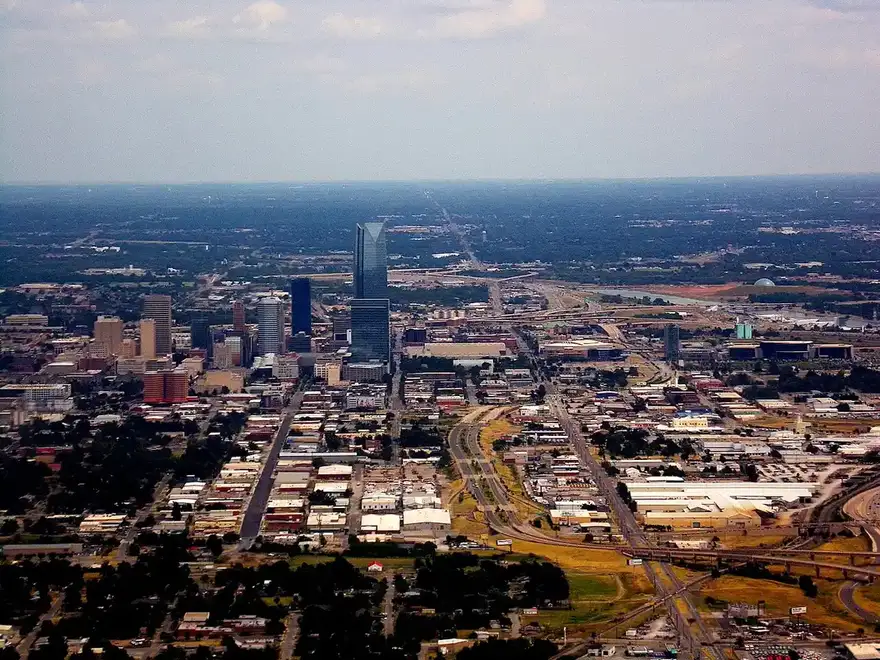
Oklahoma City sits on the southern plains where Gulf moisture runs into dryline storms, and the weather writes the electrical calendar here: a spring supercell season that tests every service mast and overhead drop in the metro, a summer of peak cooling loads, a second severe season in the fall, and winters that can wrap the whole city in ice. An electrical system in Oklahoma City is not judged on a mild day - it is judged in the storm weeks, and the pages here are organized around that.
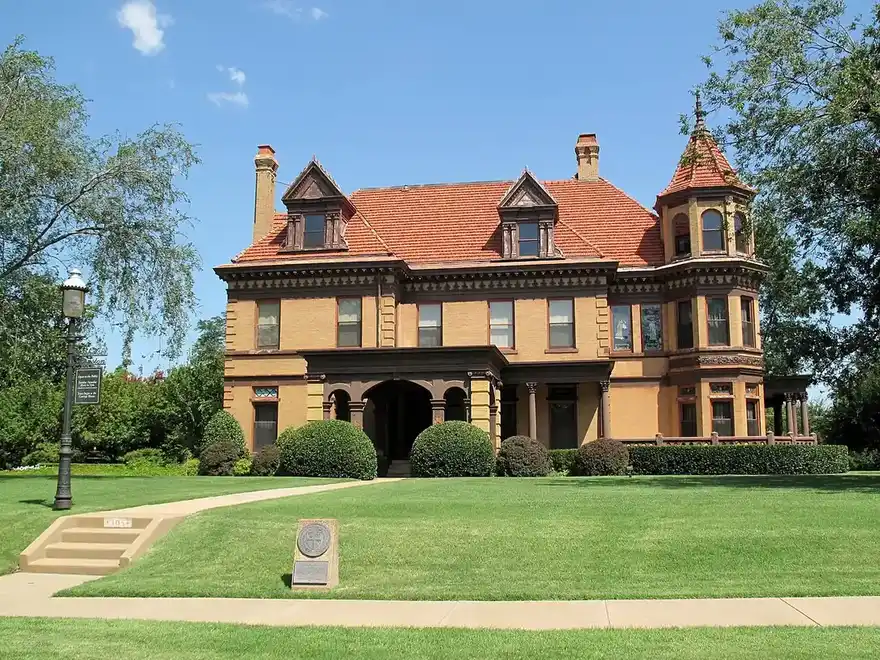
The metro's wiring is a layered archive of its building history. The streetcar suburbs of the 1900s through the 1930s still hold knob-and-tube runs, cloth-insulated cable and fuse boxes. The postwar decades built whole districts on 100-amp panels, including panel families from that era that inspectors now flag on sight. The mid-1960s to the mid-1970s added aluminum branch wiring to thousands of homes. And the growth edges build at 200 amps with chargers and standby generators planned from the start. Which layer a house sits in decides most of its electrical story.
How Commercial Electrical Works
Read the building's real load
Service size, panel condition and a load profile measured against the business's actual week - the design input for everything that follows.
Scope around the business's hours
Work sequenced for trading hours, inspections booked against the calendar, and outages - where the work needs them - planned with the business, not announced to it.
Do the work to commercial standard
Circuits, lighting, panels and equipment connections installed and documented to the building's documentation file, labeled as found truth.
Hand over the paperwork
Directory, load record and documentation the landlord, insurer and next tenant will ask for - the visit's deliverable is a system and its file together.
Doing It Yourself vs a Professional
The DIY Route
- Tenant staff resetting trips and swapping lamps while the load question goes unasked - the building's arithmetic does not care who ignores it
- Adding kitchen or shop equipment onto whatever circuit is nearest converts a capacity plan into a failure schedule
- Inheriting a mystery panel and leaving it mysterious - the first emergency inherits the mystery at emergency prices
VS
The Professional Route
- Load-profiles the business's real week before prescribing anything
- Sequences work around trading hours and inspections as part of the scope, not as favors
- Delivers documentation with the work - directory, readings and records the building keeps
Keep It From Coming Back
Commercial systems are maintained by file and by calendar: documentation current, loads measured, assessments scheduled. These habits are the building's side of the bargain.
- Keep the panel directory current at every tenant or equipment change; it is the building's simplest safety system.
- Measure the load before adding equipment - a week of real readings settles arguments a catalog cannot.
- Put the building's surge protection on the same review rhythm as its other systems; commercial electronics concentrate value per panel.
- Schedule electrical assessments in the calm commercial months, not in the week the inspector or the season chooses.
- Keep one documentation file per building: permits, load records, directories, assessments. Buildings with files get better answers from everyone.
- Treat exterior and sign lighting failures as electrical calls, not bulb runs - the circuit is usually the author of the pattern.